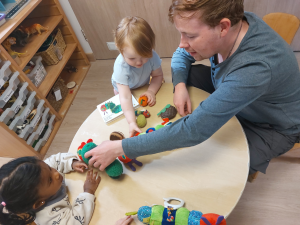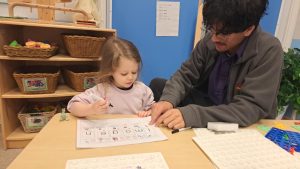





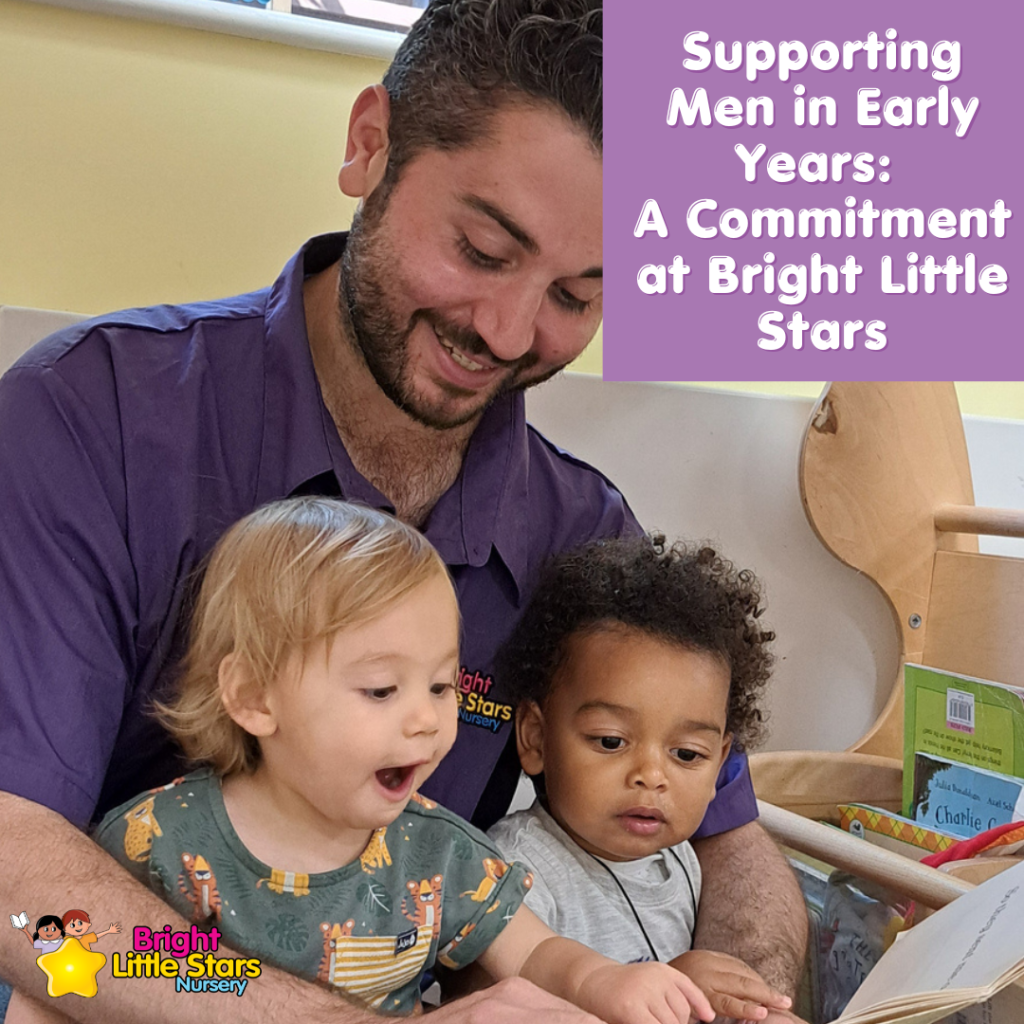
We recently recruited a new sports coach at Bright Little Stars, bringing years of experience, energy, and passion for encouraging children to be active. For us, though, the role meant much more than simply delivering sports sessions. He represented something even more vital – that men belong in early years.
Across the UK, only 2% of the early years workforce is male. This is not because men do not want to work in early years, but sadly because gender stereotypes and perceptions surrounding the profession persist. More recently, negative media coverage has also contributed to misconceptions about men working with young children.
With such a low representation, men who choose this career path can sometimes experience isolation, and we want to help change that. At Bright Little Stars, male staff make up 1.5% of the workforce, representing a small proportion of the overall team. With this in mind, it is imperative that we focus on supporting men in early years, not only in relation to their wellbeing but also to ensure they are safeguarded appropriately.
We need to ensure equity is in place and adapt processes where needed. Visibility is key. When children see a male leading their sports session, caring for them as a key worker, or supporting them throughout their nursery day, it demonstrates that early years settings are not just places for women to work. It reinforces that care, nurture, and emotional support are not defined by gender.
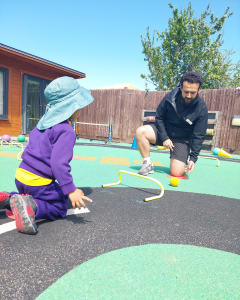
As our Sports Coach, Dogus, explains:
“As a male sports coach, I see firsthand how important it is for children to experience positive male role models in nurturing environments. Men in early years can help children build confidence, trust, and healthy relationships, which is why supporting and safeguarding male practitioners is so important.”
His experience reflects the positive impact male practitioners can have on children’s development and highlights why creating an inclusive and supportive workplace is essential.
We have created opportunities for peer support, including male-only support groups, allowing staff to talk openly without judgement. We also facilitate round-table sessions with men from other early years settings, encouraging honest conversations about the realities of working as a male practitioner in the sector.
It is equally important to approach safeguarding sensitively and inclusively, ensuring that men are not unfairly viewed as risks. This includes being transparent during recruitment, discussing how practice can be adapted where necessary, assigning mentors to new staff members, and tailoring training to reflect the experiences and needs of male practitioners.
We are committed to challenging unfavourable attitudes and negative assumptions whenever they arise, while maintaining an open-door culture that encourages regular check-ins and ongoing support.
Celebrating our male colleagues and the value they bring is equally important. They often bring different perspectives and ways of connecting with children, and these differences should be recognised and appreciated.
Supporting male staff in early years helps to normalise men working in nursery settings, provides children with positive male role models, and demonstrates to families that men are valuable contributors to education and care. Our children gain a broader understanding of who can nurture, teach, and inspire. When we challenge stereotypes, families begin to see new possibilities.
We are proud to be signed up to the Men in the Early Years Charter, demonstrating our commitment to valuing and supporting men in the profession and recognising the positive contribution they make to the children and families we are privileged to serve.